The Mission, the Moon, and Meaning: 3 Lessons from Artemis
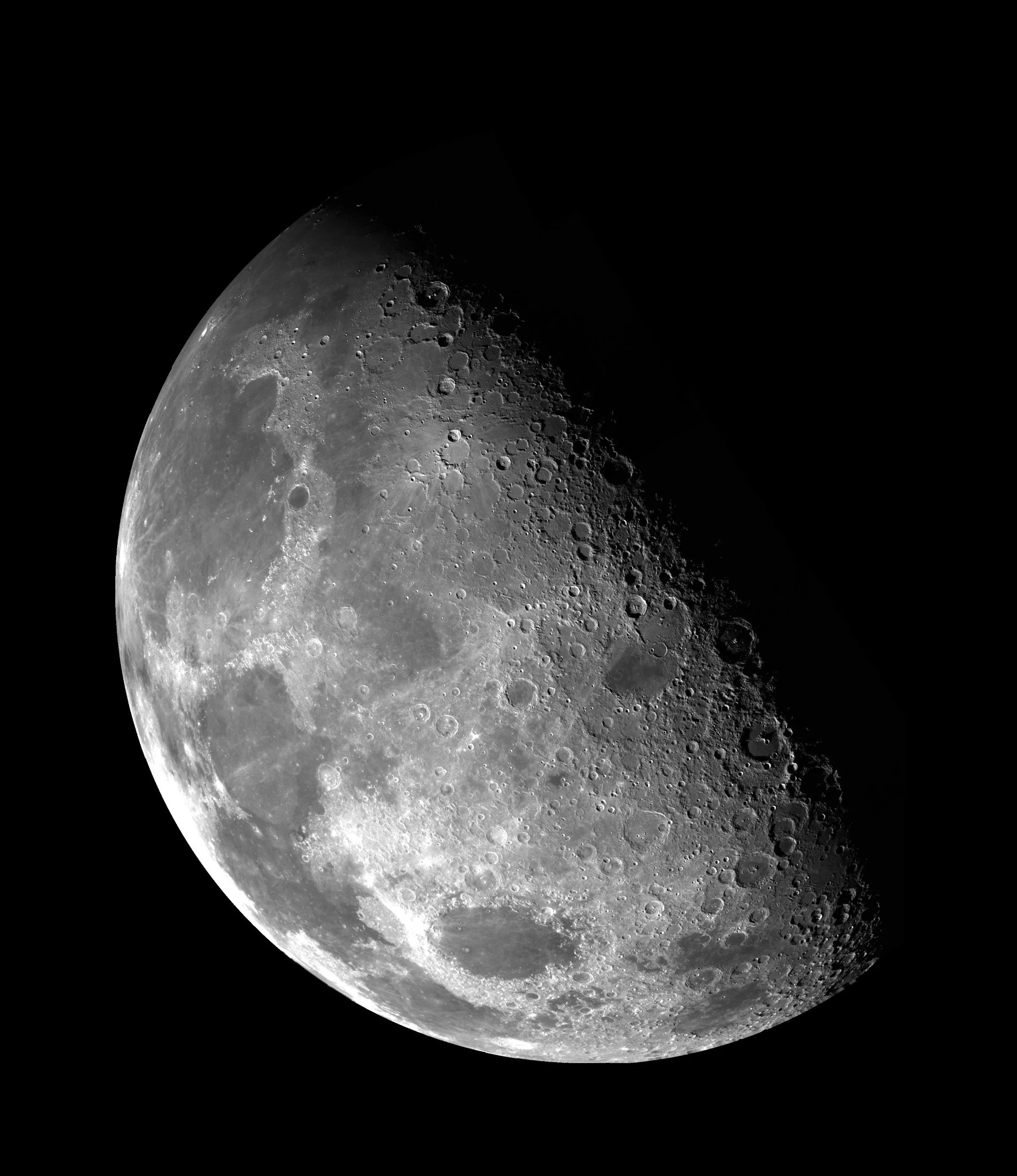
There are moments in history that do more than capture our attention; they reawaken something within us.
Watching the Artemis II crew return from their extraordinary journey around the moon, I felt the same sense of wonder many of us did: awe, gratitude, humility, and perhaps even a renewed belief in what humanity can still accomplish together. The technology was staggering. The mission milestones were historic. The crew’s “firsts” will rightly be remembered for generations. Yet what stayed with me most were not the technical details, but the emotions.
The pause in their voices.
The tears.
The reverence with which they described seeing Earth suspended in darkness.
The way they spoke was not of themselves, but of each other.
That emotional residue, the sense of joy, unity, and perspective that seems to linger after witnessing something transcendent, is what some have recently called the “moon joy effect.” It is more than inspiration. It is the rare moment when accomplishment and meaning collide, creating a clarity that reshapes how we see our work, our teams, and ourselves.
As I reflected on the Artemis crew, I was struck by how relevant their example is not just to space exploration but also to leadership in medicine, organizations, and life itself.
The moon may be far away. But the leadership lessons are remarkably close to home.
1) Collective leadership will always outperform heroic individualism
The mythology of the lone hero is seductive.
We celebrate singular brilliance, charismatic visionaries, and individual achievement. Yet Artemis reminds us that the most consequential missions in human history are never the work of one person. They are the product of deep trust, complementary strengths, disciplined humility, and shared responsibility.
A commander.
A pilot.
Mission specialists.
Flight directors.
Engineers.
Scientists.
Families.
Thousands on the ground.
No one solely “owns” the mission, yet everyone is accountable to it.
That is the essence of great leadership. The best teams in emergency medicine, healthcare, and organizational life operate the same way. The leader is not the hero standing above the team. The leader is the one who creates the conditions for the team to become extraordinary together.
In our departments or on our teams, it is tempting to default to personal excellence as the primary metric of success. But Artemis challenges that instinct. The future belongs to teams that can distribute leadership fluidly—where expertise, not ego, determines whose voice leads in the moment.
Leadership is less about being the smartest person in the room and more about building a room where brilliance compounds.
2) Emotional intelligence and vulnerability amplify elite performance
What captivated the world was not only what the crew accomplished, but how openly they shared what it felt like. Their words were filled with gratitude, wonder, reverence, and emotional honesty. Several spoke of Earth’s fragility. Others described the profound bond forged in the isolation and immensity of space. One could hear the language of trust and psychological safety in their reflections.
This matters! Too often, leadership is still mistakenly associated with emotional stoicism. Yet elite teams, whether in spacecraft, resuscitation beds, boardrooms, or military units, perform best when vulnerability is not seen as weakness, but as relational courage.
Vulnerability names reality.
It creates permission.
It transforms shared stress into shared meaning.
The recent Forbes reflection on recreating the “moon joy effect” at work highlighted how awe and emotionally resonant moments deepen engagement and connection. That insight is deeply practical for leaders. Teams do not merely need goals. They need moments that remind them WHY the goals matter.
In life (and on our teams), we sometimes move so quickly from one crisis to the next that we fail to digest the emotional significance of what we have just done together.
The leader’s role is to create that pause. To help teams name what was hard. What was meaningful?
What was learned? What created connection?
Emotion is not the enemy of performance. Disconnected teams are.
3) Shared vision gives people strength for the long journey
No crew would endure the uncertainty, isolation, and disciplined rigor of Artemis without a vision larger than the hardship. The moon is not simply a destination. It is a symbol of possibility. That is why shared vision remains one of leadership’s greatest force multipliers.
People can tolerate extraordinary demands when they believe their effort serves something larger than immediate discomfort. This is true in deep space and in every meaningful endeavor on Earth.
The best leaders are architects of meaning. They continually reconnect daily work to an enduring purpose. In your family, it may be the kind of legacy you want to leave. In your department, it may be the culture you want future learners to inherit. In your organization, it may be the “true north” that outlives the personalities currently holding the roles.
The Artemis team reminds us that vision is not motivational wallpaper. It is the gravitational force that keeps teams aligned when the journey becomes long and the darkness feels wide.
We all need our own moonshot
Most of us will never orbit the moon. But we are all leading something.
A family.
A team.
A department.
A calling.
A future self.
The lesson of Artemis is not simply that humanity can still do incredible things. It is that the greatest accomplishments emerge when collective leadership, emotional courage, and shared vision converge around a mission worthy of sacrifice. Perhaps that is the deeper invitation for each of us.
I challenge you to ask (yourself, your family, your team):
What is the moonshot we’re called toward?
And more importantly:
Are we leading in a way that makes the journey meaningful for everyone on board?
Because in the end, the greatest leadership achievement may not be reaching the moon. It may be helping others discover that together, they were capable of far more than they ever imagined.